
by Creative Robot | Feb 7, 2026 | AI, Business, Leadership, Management, Technology
Engineers are shifting from single AI assistants to small agent teams with specific roles: planner, UI builder, backend coder, tester, documentor, and orchestrator. Free templates work in LangChain or CrewAI. The pattern – assign, validate, loop – matters more than the tech.
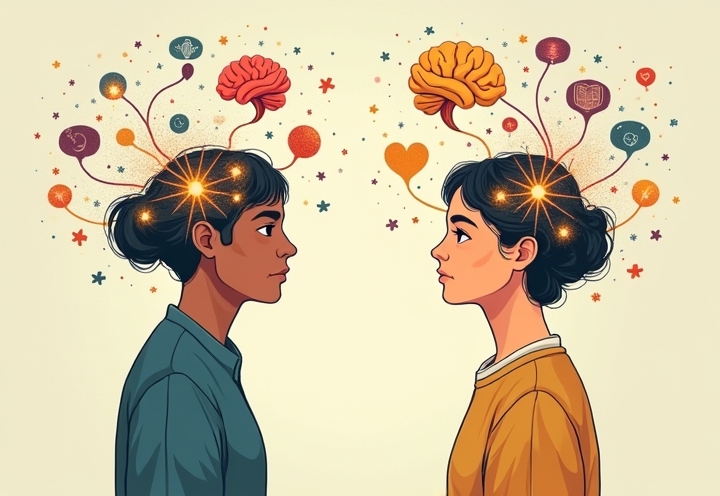
by Creative Robot | Feb 6, 2026 | Communication, Empathy, Relationships, Self-improvement
Understanding adversaries keeps conflicts from hijacking your brain. It calms both sides, builds emotional intelligence, and turns blame into problem-solving without approval or agreement.

by Creative Robot | Feb 5, 2026 | Communication, Empathy, Lifestyle, Self-improvement, Writing
Texting “FYI, lmk” feels efficient until you’re drowning in confusion threads. Brevity isn’t concision – and the difference costs you time, clarity, and trust at work.

by Creative Robot | Feb 5, 2026 | Business, Communication, Empathy, Health, Leadership, Lifestyle, Management, Relationships, Self-improvement
Forced positivity can block real connection. Chapter 21 shows how “happy them up” energy teaches suppression and why empathetic presence beats silver linings every time.

by Creative Robot | Feb 4, 2026 | Business, Communication, Empathy, Health, Leadership, Lifestyle, Management, Negotiation, Relationships, Self-improvement
Your team matches your stress reflexes, not your intentions. Here’s what psychological safety actually looks like in meetings – and a practice that rewires how you lead under pressure.

Recent Comments