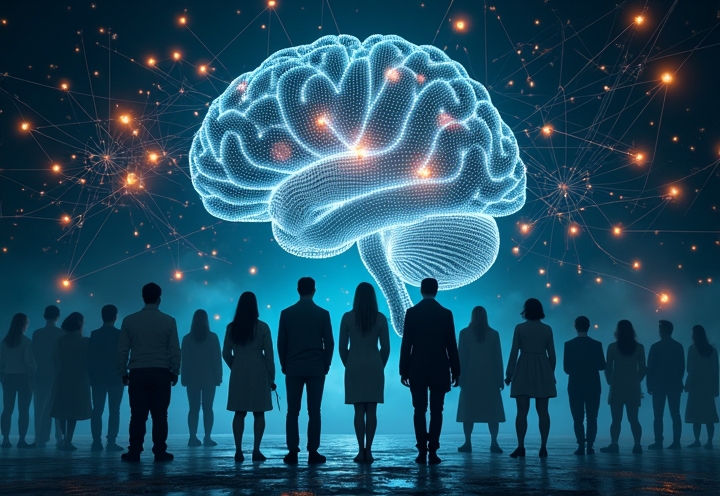
AI’s Next Leap: Brains Over Brute Force
The next wave isn’t bigger LLMs—it’s architectures that mimic brain-like networks. Pathway’s BDH replaces static attention with modular neurons that adapt through experience.

The next wave isn’t bigger LLMs—it’s architectures that mimic brain-like networks. Pathway’s BDH replaces static attention with modular neurons that adapt through experience.

We bolted AI onto old workflows and called it progress. Real change means designing processes where multiple specialized AI agents own tasks, use tools, and actually run the show—not just autocomplete your anxiety.

Non-devs are shipping real software by thinking clearly and describing intent. The gatekeepers are syntax and debugging, AI handles those now.
I taught my AI agents to doubt themselves, read the room, and break problems into chunks—now they collaborate like a functional team instead of chaotic solo acts.
Treating AI like a 10x engineer gets you confident garbage. Treating it like a supervised junior gets you leverage. Here’s the protocol that’s working: tight specs, role separation, brutal feedback loops, and humans owning architecture while agents handle implementation.
Recent Comments