Understanding adversaries keeps conflicts from hijacking your brain. It calms both sides, builds emotional intelligence, and turns blame into problem-solving without approval or agreement.
The story
Empathy with an adversary isn’t a gift you hand them. It’s a way to keep your own brain from turning every disagreement into a street fight with spreadsheets.
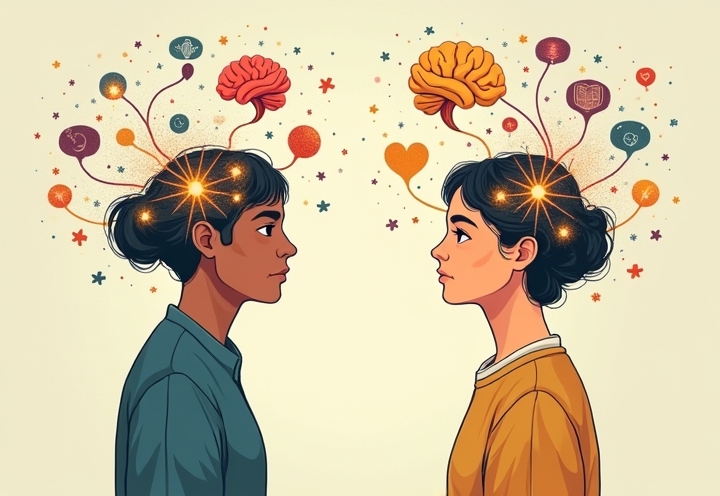
In *A Practical EmPath: Rewire Your Mind*, I call this *cognitive empathy*: understanding their perspective without getting pulled into it. You don’t have to agree. You don’t have to approve. You definitely don’t have to invite them to Thanksgiving.
Notice how the benefits overlap? When I listen for what they’re trying to protect, their nervous system calms down – and mine usually does too. Conflicts cool off faster because people stop arguing with a wall and start talking with a human.
This also builds emotional intelligence. When I can name my reaction, then question the story I’m telling myself, I stop treating my thoughts like courtroom evidence. Cognitive-behavioral tools, paired with empathy, can move a conversation from blame to problem-solving.
And yes, it helps outside the conflict too: less stress, fewer grudges, steadier relationships. Leadership gets easier when people feel seen, even when they’re wrong, loud, or hiding behind the costume of “authority.”
One study I reference often found psychology students showed stronger empathy than their medical or technical peers. Training matters. You can learn this.
Next time you face your “enemy,” try this: pause, reflect their feeling in plain words, then restate their view in the strongest form you can. What changes when you become harder to provoke?







Recent Comments