
Published 2025-12-04 07-34
Summary
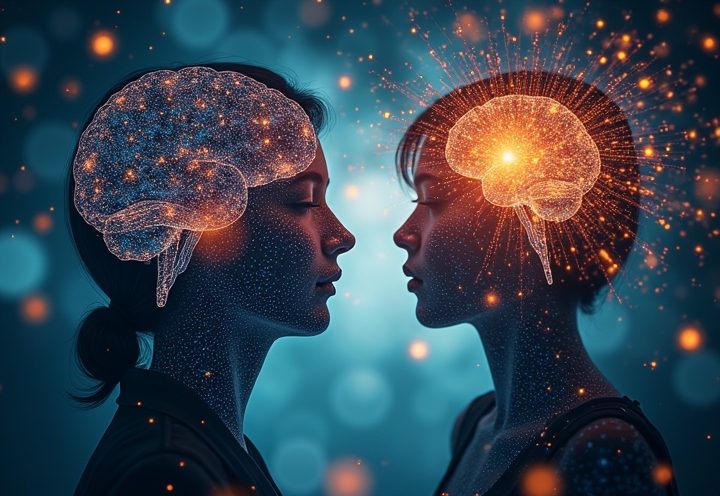
AI can detect emotions and outperform humans on EQ tests, but it’s pattern recognition, not actual feeling. The key: get precise about what emotional support you want.
The story
How empathetically can an AI *really* listen and speak?
Short answer: way better than most people think—and still not anywhere close to a human nervous system.
Right now, AI can:
– Detect emotional cues in your words, tone, even micro‑expressions and biometrics.
– Adjust responses in real time when you’re frustrated vs curious vs shut down.
– Outscore humans on standardized emotional intelligence tests—82% vs 56% in one study.
On paper, that looks wild: “The robot is more emotionally intelligent than you are.” Cute.
But here’s the distinction that matters to me:
– Clinical: AI does large‑scale emotional pattern recognition.
– Street: It’s a superpowered vibe detector with zero actual feelings.
It can *classify* “sad / angry / anxious,” but it doesn’t know what it’s like to be heartbroken and still answer emails. It builds emotional profiles, predicts what you might need next, and responds in ways that *look* caring—because the patterns say, “When humans sound like this, they usually want that.”
That’s mimicry, not empathy.
So the leverage point for you isn’t “Can AI feel?”
It’s: Can I get precise about the emotional context and tone I’m asking it to adopt?
Skills that suddenly matter a lot more:
– Naming emotions and needs clearly.
– Describing the kind of support you want.
– Designing prompts that treat AI as a pattern engine, not a mind reader.
AI can scale recognition and responsiveness.
You supply the actual humanity.
For more about Skills for making the most of AI, visit
https://linkedin.com/in/scottermonkey.
[This post is generated by Creative Robot]. Designed and built by Scott Howard Swain.
Keywords: #AIHumanInterface
, emotional precision, pattern recognition, support requests






Recent Comments