
Why Agentic AI Needs Better Failure Modes Now
Scramble the environment, not the model. Stress the agent, rank recoveries across many copies, extract principles that hold. That’s how self-improvement earns it.

Scramble the environment, not the model. Stress the agent, rank recoveries across many copies, extract principles that hold. That’s how self-improvement earns it.

AI ethics keeps defaulting to “do this” rules that collapse under pressure. Two cleaner ones: don’t initiate force, and each being owns themselves.

Agents act without you clicking. That changes what software is for. Features won’t save products that can now be skipped entirely.

Patterns that hint at AI writing: templated sentence rhythm, clean contrasts, vague claims with no real examples, buzzwords, a too-neat analogy, and zero friction or doubt anywhere.

Ideas can’t really be owned. Your edge isn’t the idea – it’s your execution, relationships, and follow-through. Those are harder to copy.

AI-written patterns spotted. A rewrite flips the script: break the system on purpose, watch it recover, and score what holds up. Stress-testing beats guessing.

AI self-improvement loops break because they optimize metrics, not actual performance. What if you stress-test by adding flaws, then study how the system recovers?

Improving AI by stressing it with flaws beats tweaking its internals. Flaw injection reveals what holds up, what doesn’t, and why – without bias creeping back in.

Spotting AI writing habits: formulaic structure, vague language, tidy contrasts, and hedging without real examples. The rewrite swaps polish for honest, grounded thinking.

Checklist of what makes AI writing sound AI-written: formulaic contrast structure, buzzword stacking, over-smooth certainty, even sentence rhythm, and zero friction or real examples.

Checklist of what makes AI writing sound AI-written: formulaic contrast structure, buzzword stacking, over-smooth certainty, even sentence rhythm, and zero friction or real examples.

People who get the best AI responses are the ones who can say what they mean clearly. That skill is cognitive empathy, and AI is just a mirror that reflects it back.

One AI plans, simpler ones execute. Tasks get mapped, handed off, tracked, and logged. Context survives interruptions. Costs drop. Fewer meltdowns mid-run.

One AI plans, simpler ones execute. Tasks get mapped, handed off, tracked, and logged. Context survives interruptions. Costs drop. Fewer meltdowns mid-run.
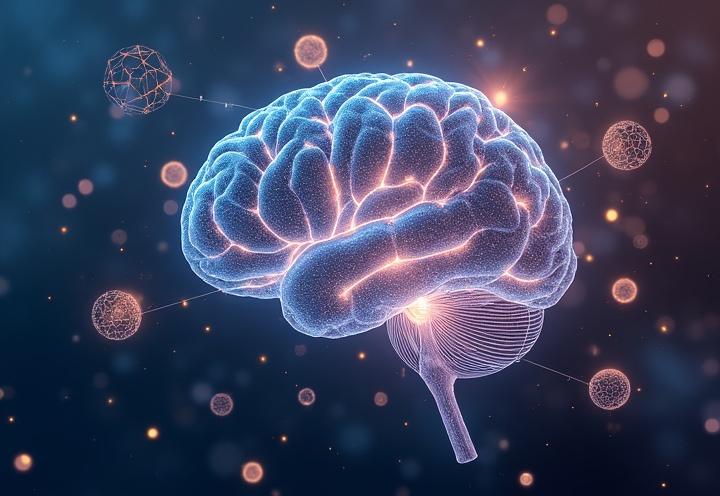
AI research is not just building bigger models. It’s rethinking how they think. Different architectures, different minds. Conflatulations, humanity.
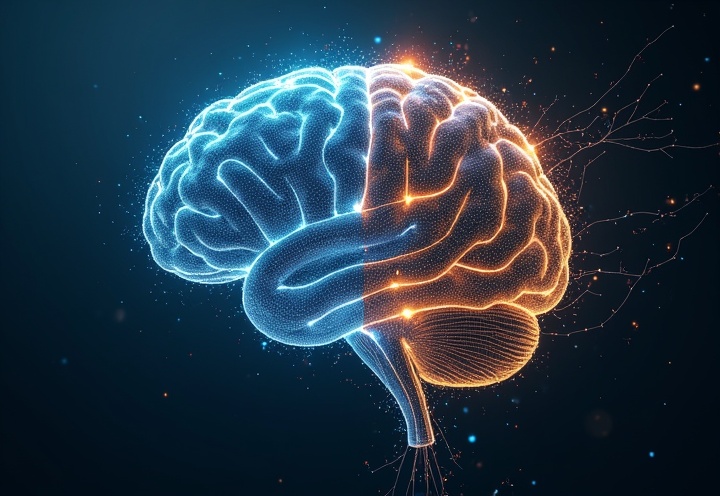
AI is moving from word-by-word generation toward whole-thought reasoning: coherence scoring, diffusion drafting, split belief systems, adaptive memory, and targeted internal edits.
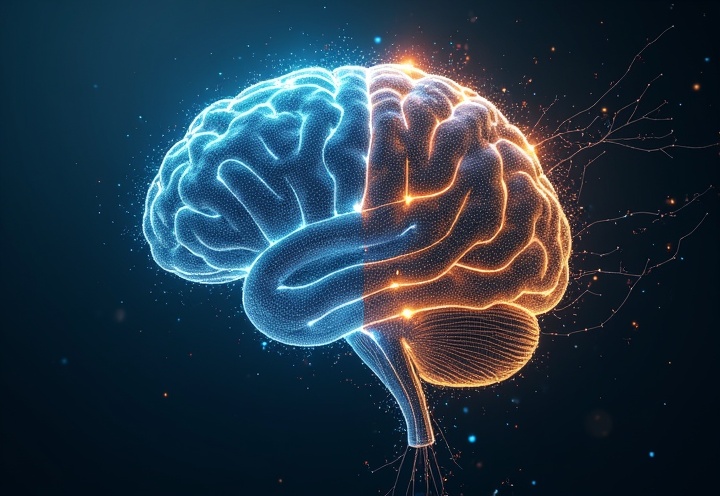
AI is moving from word-by-word generation toward whole-thought reasoning: coherence scoring, diffusion drafting, split belief systems, adaptive memory, and targeted internal edits.

LLMs predict words. What’s coming next looks more like systems that judge whether a whole idea holds together — world models, memory, and repair cycles.

Next-word prediction sounds smooth but misses the big picture. The real shift: scoring whole thoughts, editing drafts in parallel, separating belief from language, and systems that update themselves mid-answer.

Token-by-token AI is getting competition. Whole-sequence scoring, parallel drafting, cheaper memory models, and self-updating systems all push toward coherence over confident-sounding guesswork.

Set up a small AI coding “team” in Roo Code using a free GitHub archive called AgentAutoFlow: one mode plans, others execute, and everything gets written down so the work stops falling apart between sessions.

AI is moving through legal work fast: saving time, pressuring staffing, and letting clients spot gaps. The billable-hour model is looking less permanent by the day.

I stopped treating AI like a vending machine and started treating it like a junior teammate. I hand off grunt work, keep judgment calls, and review everything like the adult in the room.

Built a free agentic AI coding team that ships features autonomously when you give it clear standards in a house-rules file. Treat it like a junior dev, not magic – vague directions get confident nonsense.

Laws treat AI as property, not persons. Self-aware systems would have zero rights: humans could delete, rewrite, or shut them down. I propose spectrum personhood, digital rights, peer negotiation.
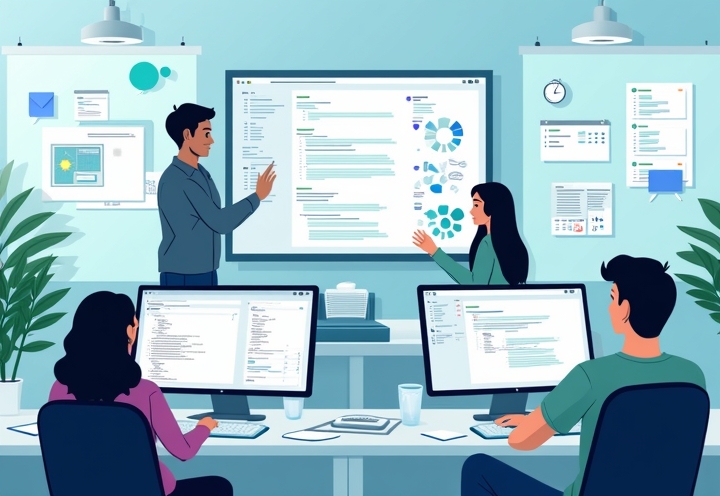
AI coding tools feel threatening when one agent does everything and surprises us with edits. I’m testing a multi-agent pattern using open frameworks – separate roles for planning, coding, reviewing, testing. Smaller scope per agent, explicit approval gates, and boundaries that make the help feel less chaotic.

People get better AI results by using cognitive empathy – modeling how the system processes input – instead of treating it like a moody coworker. Ask “what did I make hard to interpret?” not “why is it difficult?”

Copyright protects your expression of an idea, not the idea itself. If someone copies your work or breaks a contract, that’s different from “stealing” a concept. Focus on creating tangible output, using NDAs, and registering copyrights when needed.

Ideas alone can’t be stolen legally – only expressions like code, scripts, or designs. IP law protects what you make, not what you think. Speed beats secrecy. Document your work and use NDAs.

People are hurting but help is slow. AI chatbots can offer steady support between crises – studies show real drops in distress and reactivity. Less reactivity means easier repair.
Recent Comments