
Stop Calling People Lazy and Start Getting Results
Turn “You’re lazy” into “I value efficiency” and watch defensiveness vanish. Swap evaluations for values, invite dialogue instead of triggering lizard brains.

Turn “You’re lazy” into “I value efficiency” and watch defensiveness vanish. Swap evaluations for values, invite dialogue instead of triggering lizard brains.

We made the phone sit in the bread box during dinner. Felt weird at first, then my nervous system went, “Oh. This is the game.”

Your brain switches tasks like an old computer freezing apps. Research shows “attention residue” lingers, mental load spikes, and mistakes multiply. Treat focus as stress prevention.

Your phone interrupts a conversation and suddenly your partner feels like second place. Those quick checks cost more than you think: weaker bonds, more fights, less intimacy. What if you just put it away for a bit?

Task switching fries your brain like a glitchy console, leaving sticky attention residue that tanks your focus. Want your creative sparks and mental health XP back?

Ever wonder why bouncing between tasks turns your brain into glitchy oatmeal? Switch cost is real, and deep work might be your escape hatch from the frenzy.

Workplaces devolve into blame-fests because shame is loud and ineffective. OFNR separates facts from feelings and needs, turning conflict into collaboration instead of a courtroom.

Quick chats turn into battles when we spawn Judgment Bosses instead of staying curious. After 20 years, I’ve seen us project triggers like glitchy AI. Chapter 2 offers drills to debug conflict.

You can ground chaotic arguments by ditching future-tripping, reframing judgment as unmet needs, and reflecting feelings back without agreeing or caving.

Social anxiety is basically fear of judgment making you hide. Learn to spot the need underneath that fear, practice “street empathy” by getting curious about others, and watch the freakouts lose power.

Flip from “Am I good enough?” to “What’s interesting about you?” and watch social anxiety lose its grip. Street empathy = practical curiosity that gives your self-judging brain less CPU cycles.

When your brain rehearses disaster scripts at parties, try this: track what’s real, ditch the doom loops, ask curious questions. 20 years of face-plants distilled into a cheat code.

Team lead blames dev for being late; icy silence follows. Or try PEP: observe facts, guess feelings, name needs, make requests. Lizard brains chill, trust respawns.

Conversations move too fast, cues get missed, and we react before thinking. What if you could slow time in tense talks by chunking the exchange and reflecting back what you hear?
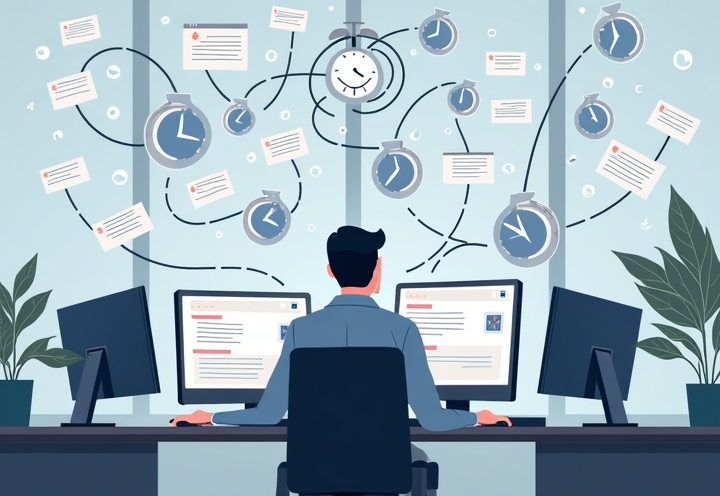
Dashing off quick messages to save time? Your shortcut might cost others hours decoding vague notes, hunting context, and redoing work—turning your efficiency win into a team loss.

Off-grid ranch in Jalisco’s mountains offers solar power, spring water, hiking, hot tub, cold plunge, kitchen, WiFi, and workspace—designed for solo reset or group retreat.

Social anxiety stems from assuming others judge you. Learn to observe facts instead of mind-reading, express feelings clearly, and request feedback to build real connection.

20 years of turning social anxiety into smooth conversations: reframe judgment, stay present, practice curiosity. Your brain’s doom-scrolling can become connection.

Escape burnout at a solar-powered mountain ranch with WiFi, hiking, tennis, fresh food, and optional solitude—where high-performers recharge without the noise.

Escape the email grind to Mexico’s mountains. Off-grid ranch with WiFi, trails, and space to reset. Trading burnout for pine trees and clarity—one resident’s story.

Rushing through conversations creates emotional disconnection. Learn how mindful pauses transform shallow exchanges into genuine understanding, backed by 20 years of research.

Cognitive empathy can slow down reactive moments by prompting you to check your own feelings and guess others’. The practice sharpens presence, stretches time, and turns blur into clarity.

Cognitive empathy can manipulate when paired with poor integrity. Learn to spot false support that guilts you into compliance versus authentic requests that respect “no.”

Learn the 20-year-tested skill of cognitive empathy that turns team conflicts into collaboration by accurately naming what people feel and need, then verifying it neutrally.

Discover why your logical arguments fail in negotiations and learn research-backed techniques like labeling emotions and strategic silence that make counterparts drop their defenses and reach better deals.

Empathy isn’t emotional—it’s a cognitive skill that cuts through conflict. After 20 years of research, here’s what actually works in tense conversations and why teams perform better.

Stopped following the default script of grades and safe jobs. Discovered individuation: the messy, self-directed work of figuring out what *you* actually want instead of what society pre-loaded.

Anger is a terrible GPS. Learn OFNR: a four-step method to refactor rage into connection by separating observation from judgment and uncovering the deeper feelings beneath your fury.

When conflict hits, we label people “enemies” to save mental energy. But empathy is a debugger—separate observation from judgment, ask what they’re protecting, and conflict can shift to alliance.

Politics often kills conversation, but practical empathy—perspective-taking plus moral reframing—can restore it. Three moves help: accept feelings without agreeing, stay present, reframe to uncover needs.
Recent Comments